
From current experiments to ethical and safety challenges
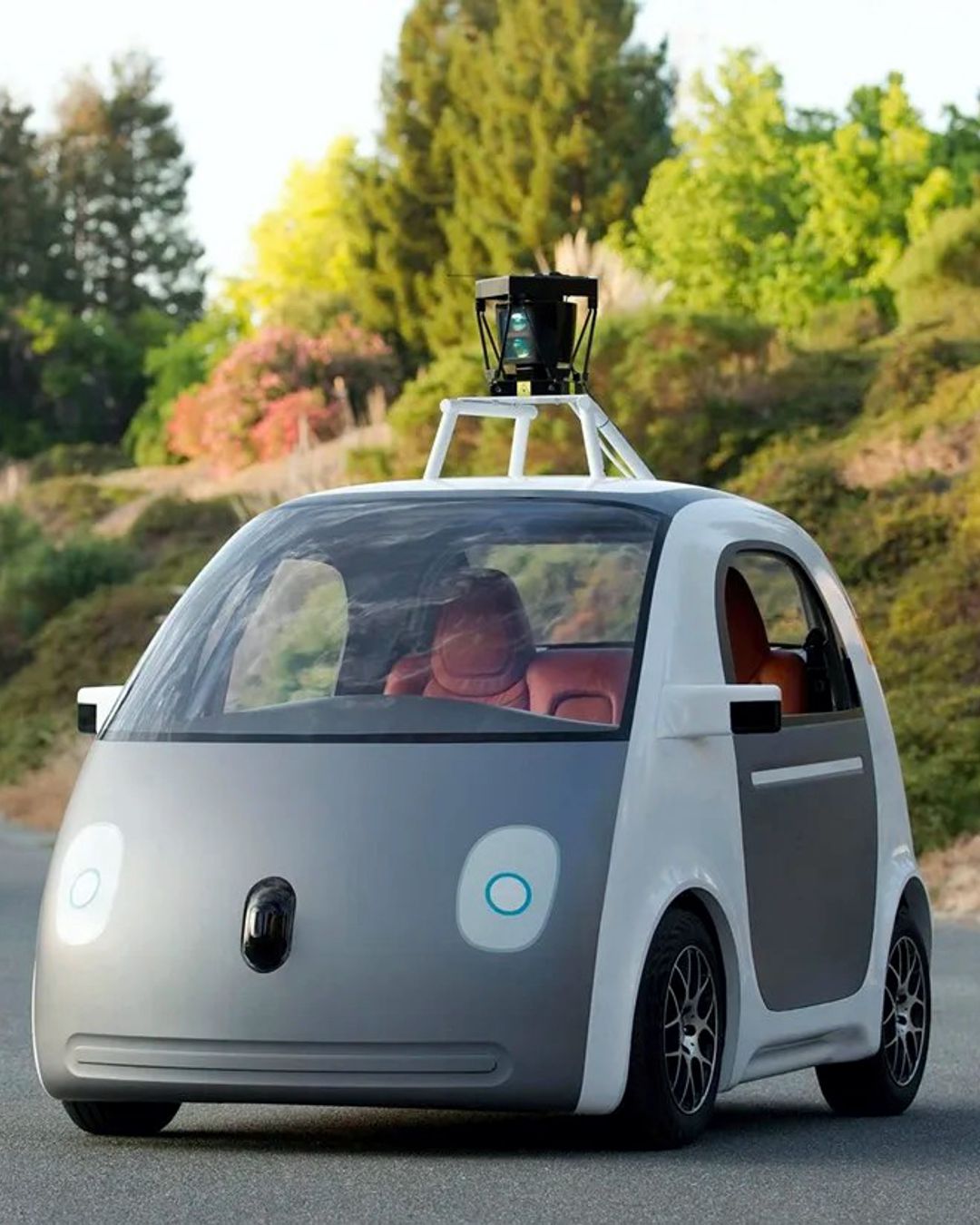
When we talk about autonomous vehicles, we envision a future of AI behind the wheel, cities without traffic lights, seamless traffic flow, and zero accidents. But what is the real situation today? And above all: what challenges still lie ahead?
The concept of autonomous driving has gone through several phases. From the first experimental prototypes in the 1980s – such as those developed by Mercedes-Benz and Carnegie Mellon – we have arrived at a wide array of active projects, ranging from Tesla cars to Waymo and Cruise robotaxis, and experimental urban shuttles in several European cities.
Technically, autonomous driving is divided into six levels (SAE 0-5), where level 0 represents no automation at all, and level 5 represents full autonomy in any context, without the need for a steering wheel or pedals. Today, most commercial technologies are between levels 2 and 3, where the car can manage some functions (such as acceleration, braking, and lane keeping) but still requires constant human supervision.
The main challenges are not just technological. Although sensors, radar, and AI are rapidly improving, there are still major regulatory, ethical, and infrastructure barriers. In the event of an accident, who is responsible? How can we ensure that an algorithm makes the “right” decisions? And most importantly: are our cities really ready for vehicles that drive themselves?
On the ethical front, the debate is ongoing. Should a vehicle prioritize the protection of its passengers or pedestrians? Can an algorithm make moral decisions? Some researchers are working to codify these principles into decision-making systems, but the implications are complex.
Meanwhile, testing continues. In Arizona and California, robotaxis are already operating, though limited to specific routes. In Europe, cities such as Paris, Berlin, and Lyon are experimenting with autonomous shuttles in low-traffic zones. In Italy, companies like Leonardo, Italdesign, and various universities are developing autonomous driving platforms for industrial, military, or logistics applications.
The future of autonomous vehicles is no longer a matter of “if,” but of “when” and “how.” What remains to be seen is whether we can integrate them into the social, legal, and urban fabric of our cities. Because having a vehicle that drives itself is not enough: we also need a culture that’s ready to welcome it.
Sources and further reading:
- Waymo – Official Website
- Cruise – Self-driving car technology
- Tesla Autopilot – Tesla.com
- Zoox – Autonomous vehicle by Amazon
- MIT Moral Machine – L’esperimento globale sul “trolley problem” applicato all’AI
- Commissione Europea – Regolamento su AI e guida autonoma
- NHTSA – Autonomous Vehicles Policy (USA)
- E-BIKE TRANSFORMATION
- HISTORY OF CIAO PIAGGIO
- EVENTS
- ASSEMBLY OF KITS PURCHASED ONLINE
- OUR AUTHORIZED WORKSHOPS
- MAINTENANCE OF E-BIKES AMBRA ITALIA
- ELECTRIC MICRO-MOBILITY
- SCHOOL PROJECT: INNOVATING WITH AMBRA ITALIA
- ELEGANT AND SUSTAINABLE MOBILITY FOR RECEPTION STRUCTURES
- THE WORLD THROUGH CIAO: OUR CUSTOMERS' STORIES
- RESEARCH AND INNOVATION
- BEHIND THE SCENES OF AMBRA ITALIA
- Differences between Ciao SC and PX series frames and impact on transformation
- The people of Ciao
- Ciao endothermic vs Ciao transformed into an e-bike: analysis of operating costs
- How to read and correctly interpret the Operating Instructions
- Because Ciao is beautiful
- Ciao Piaggio and women: a bond to tell
- Interview with a technician: what is it like to work on an electric Ciao?
- The Silence of the Myth – Pedal-Powered Emotions with an Electric Ciao
- Comparative Analysis of Environmental Impact: Ciao Piaggio Endothermic vs Ciao transformed into an E-Bike
- Safety First: Checking the Safety Systems on Ciao Transformed into E-Bikes
- The Longevity of E-Bikes: How Ambra Italia Extends the Life Cycle of the Ciao Piaggio
- The role of Ciao Piaggio transformed into an e-bike in the challenges of contemporary mobility
- Urban Efficiency: How the Ciao Piaggio transformed into E-Bikes by Ambra Italia revolutionize city spaces with style
- Navigating the Regulations: Current and Future Legislation on Electric Micro Mobility
- Post-Transformation Personalization: Opportunities and Limitations
- Ciao Restoration: Options and Tips
- Comparison between the efficiency of an internal combustion engine and an electric engine in mobility
- Building Long-Lasting Customer Relationships: Strategies for Workshops
- Electric rebirth: the Ciao Piaggio in the era of micro mobility
- Ciao Piaggio in cinema and pop culture
- Electricity System Integration: Challenges and Solutions
- Document Writing Philosophy: Everything Under Control
- Micro-Electric Mobility vs. Long-Distance Electric Mobility: Analysis and Perspectives
- The technology behind the myth: mechanical innovations of the Ciao Piaggio
- Compliance with Regulations: Safety and Certifications
- Steps towards Authorization: How to Become an Authorized Ambra Italia Workshop
- Cleaning and Care of your Ciao transformed into an E-Bike: Tips for Aesthetic Maintenance
- The Operating Instructions and Other Documents for the Assembly and Control of the Processes
- Micro Mobility and Social Responsibility: How Companies Can Make a Difference
- From work to free time: the Ciao Piaggio as a symbol of freedom
- The Materials Used
- From Niche to Mainstream: The Evolution of the Electric Micro Mobility Market
- Joining the Ambra Italia Network: Advantages and Opportunities for New Workshops
- Tests on Critical Components: battery and motor system
- Competing icons
- The Ciao and the urban mobility revolution
- E-Bike or electric motorbike? The choice of the type of transformation determines the approval
- The Role of Electric Micro-Mobility in Reducing Urban Pollution
- Collaborating to Innovate: The Flow of Information between Headquarters and Workshops
- Optimize the battery life of your Ambra Italia e-bike
- Quality Controls on Materials
- Design evolution
- Structural Problems
- Security and Micro Mobility. Standards and Recommended Practices for Electric Driving
- The Emoving Days 2024
- The components of the kit: panoramic
- Excellence in the service: Ambra Italia quality standards
- Basic maintenance of the Ambra Italia-Bike: step by step Guide for Newfits
- Keep the original design
- The future is here
- Birth of an icon